10 Mistakes Many Tanzanians Make During Job Interviews
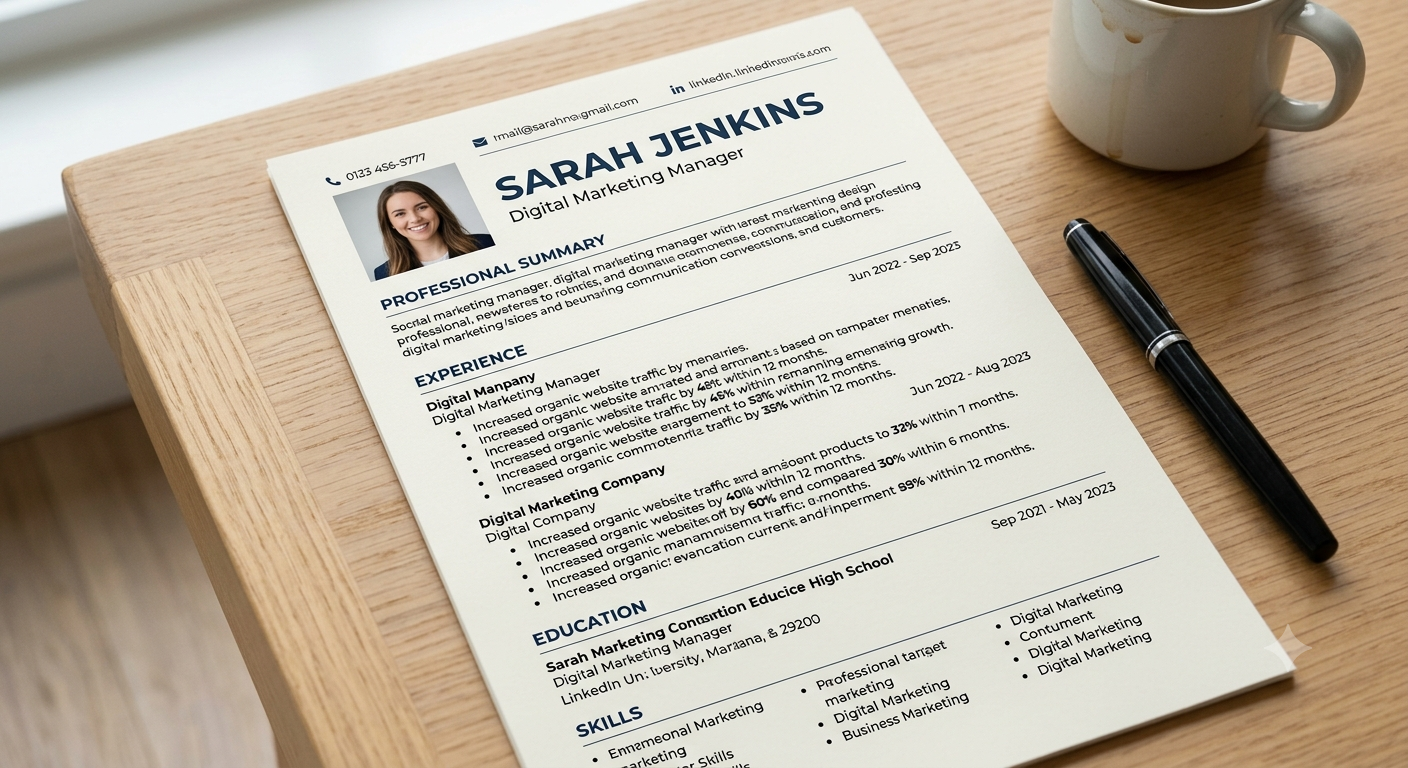
While a CV is your first contact between you and your coming employer, interview is a bridge to your new position. So, interview is an important session you should approach so carefully because everything can change within hours. But this can be a different to many Tanzanian interviewees and any other interviewees from other countries.
Job interviews in Tanzania now is inevitable. For now to get even government job you have to pass an interview. Interview is actually simple process but has never become simple to anyone because it is a point decision of getting or losing. If you lose confidence you lose everything.
The interview becomes harder because the pressure is high. Pressure is everywhere, whether you’re walking win an interview into a corporate office in Dar es Salaam, a government building in Dodoma, or a hotel in Arusha. But what do recruiters really looking from you? Employers want to see confidence, preparation, and professionalism but many candidates unknowingly sabotage themselves. Let’s explore the 10 common mistakes Tanzanians make during interviews and what to do to avoid these mistakes.
1. Arriving Late
Time management is critical. Yet many Tanzanian candidates arrive late, blaming daladala traffic or rain. Employers see this as a lack of seriousness. Recruiters will ask themselves, if you start coming late before we hire you how if we hire you!
Tip: Always wake up early. Prepare your clothes and documents during the night so you won’t take long time on the morning, set an alarm and sleep early. If your interview starts at 08:00 am arrive at 07:30 am or earlier but not too early. If you are in a populated city like Dar es Salaam it is better to use motorcycle (bodaboda) or bajaj instaed of daladala (buses).
2. Dressing Inappropriately
Some candidates attend interview wearing casual clothes jeans, sandals, or even football jerseys. They are not directly prohibited but if an interview is not a sports interview, don’t wear these during an interview.
I witnessed was a hotel job interview in Arusha, one candidate wore slippers. The HR manager politely ended the interview after five minutes.
Tip: Wear formal garment. Men: clean shirt, tie (not mandatory), and polished shoes. Women: neat dress or blouse with skirt/trousers. Unless an employer has asked otherwise.
There is a scenario that “appear in your favorite style so that they can know who really you are”. It is true, but I am truly telling you to appear smart. Because will follow the company rules and not the company to follow your hobbies.
3. Lack of Confidence
As I said earlier “if you lose confidence you lose everything”. Confidence is the base of an interview on my opinion. If you lose confidence you can present what you know clearly. This is the big problem to many Tanzanian. When you enter an interview room, greet the panel with eye contact and confidence. Offer a firm but respectful handshake, with eye contact and a smile.
Tip: Don’t force yourself to smile, make it simple and real. Know that the panel is there to see if you have want they want for their company not to harass you.
4. Failing to Research the Company
Many candidates walk into interviews without knowing what the company does.
One person attended an interview at Azam Group was asked, “What do you know about us?” He replied, “You sell sodas.” It’s true that Azam sells soda but the answer is shallow because Azam engages in multi-sectoral business and that job was not on soda selling department.
The panel expected knowledge about Azam’s logistics, manufacturing, and exports.
Tip: Before you attend an interview, make a research about the company through Google, check their LinkedIn page, their website or ask friends.
5. Overusing Kiswahili
For sure Kiswahili is Tanzania’s national language but not office language especially in multinational companies, interviews are conducted in English. They don’t want you to prove to them you have a good English but speak that at least anyone can understand.
Tip: If an interview is conducted in English, speak English fluently, if you fail on some point ask permission to say it in Swahili.
6. Talking Too Much
Nervous candidates sometimes give long, unfocused answers. Just be concise , give a short meaningful answer to a question. If you take 10 minutes to answer a simple question about strengths the interview panel may lose interest.
Tip: Keep answers clear and concise. Use examples but avoid unnecessary stories.
7. Not Asking Questions
At the end of interviews, employers often ask: “Do you have any questions?” Many Tanzanians say “No.” This shows passiveness.
Tip: Always prepare at least one question. It shows interest. Don’t ask about salary, you may ask “which project do you want me to accomplish in my first month of employment?”.
8. Poor Body Language
Slouching, avoiding eye contact, or fidgeting sends the wrong signal.
- Example: At a Dar es Salaam NGO interview, a candidate kept looking at the floor. The panel assumed he lacked confidence.
Tip: Sit upright, maintain eye contact, and nod when listening.
9. Exaggerating or Lying
Some candidates exaggerate their experience, hoping to impress.
Tip: Be honest. Employers value integrity more than inflated claims. Say your real experience, hobby and capability.
10. Ignoring Local Context
Some candidates give answers that sound copied from foreign websites, without relating to Tanzania. You can read interview tips on the internet but use it wisely according to the context of Tanzanian environment and nature of the company you undertaking interview.
Tip: Relate your answers to Tanzanian environments, nature of the company and nature of the department of the opportunity.
Final Thoughts
Job interviews in Tanzania are competitive due to high number of qualified candidates compared to availability of job opportunities. But avoiding these 10 mistakes can set you apart from the competition. Arrive early, dress well, research the company, use proper language, and show confidence through body language. Most importantly, be authentic and relate your answers to Tanzanian realities.
An interview is not just about answering questions it’s about showing employers that you understand their world and can add value to it.
Please drop your comment below for any question or additional point.